


Yellow Dextrin E type (Refractory Materials Special)
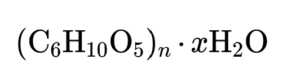
The role of cyclodextrin in refractory materials is mainly used as a temporary and water-soluble organic binder, and its core value lies in endowing the refractory body with sufficient initial strength during the forming and drying stages
Yellow dextrin dissolves in water to form a highly viscous solution, serving as an effective temporary binder for refractory powders including refractory clay, corundum, and mullite. During sintering — typically above 1000 °C — it fully decomposes and burns away completely, leaving no residue and having no adverse effect on material purity or high-temperature performance.
1. Product Applications
Shaped & Lightweight Refractory Bricks
Yellow dextrin supports forming and shape retention. When pressing or casting complex, large, or intricately detailed bricks, it prevents green bodies from collapsing, cracking, or chipping during handling and drying.
Castables & Spray-Applied Coatings
It acts as a plasticizer and suspension aid. In water-based mixes, it improves workability and plasticity, keeps heavy aggregates evenly dispersed without settling, and ensures consistent material quality throughout.
Refractory Mortars
Enhances stickiness and workable adhesion, making bricklaying firmer and more reliable. Related patents show that even small additions notably improve masonry quality when used in silica-based mortars.
2. Key Advantages
- Strong early binding performance— Delivers reliable wet and dry strength quickly, keeping the fired body intact right through to kiln entry.
- Zero impact on final properties— Burns away entirely at high temperature with no residual impurities, so refractoriness and structural strength remain uncompromised.
- Simple to handle— Dissolves readily in water and disperses uniformly during mixing.
3. Usage Notes
- Control dosage precisely: Too much can lead to excessive drying shrinkage or cracking.
- Role clarification: It provides strength only at low-to-mid temperatures. The final high-temperature performance comes from the base refractory composition and permanent binders — such as cement, phosphates, or silica sol.