


Yellow Dextrin A type (Grinding tools and Abrasives Special)
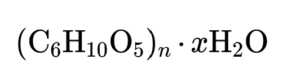
In the abrasive industry, cyclodextrin is mainly used as a temporary, water-soluble organic binder
Yellow Dextrin A type (Grinding tools and Abrasives Special)
Main Purpose & Working Principle
Cyclodextrin is applied here mainly for its binding and processing-aid properties.
As a Binder
- Delivers good early green strength
- In wet abrasive tool drying (pre-sintering), it holds the shape firmly, preventing blank collapse, distortion, and edge/chip damage
As a Process Aid
- Thickening & Stabilizing: In water-based abrasive mixes, it thickens and keeps particles suspended evenly, reducing settling
- Clean Removal: Acts as a sacrificial organic binder — fully burns away at sintering, leaving no residue to compromise product purity, hardness or structure
Key Uses
- Ceramic Abrasives: For grinding wheels, sticks etc.; locks form during pre-sintering
- Coated Abrasives: In sandpaper/cloth adhesives, boosts initial grit-to-base bond strength
- Special & Complex-Shape Abrasives: Excellent at preserving sharp edges and precise contours
- Foundry: Bonds sand for molds and cores via similar temporary-binding logic
Usage Notes
- Control Dosage: Follow recommended ratios; excess can hinder sintering
- Store Dry: Water-soluble — keep sealed and moisture-free
- Combine with Permanent Binders: Pair with ceramic, resin or metallic binders; cyclodextrin handles forming-stage support, final performance comes from the permanent system